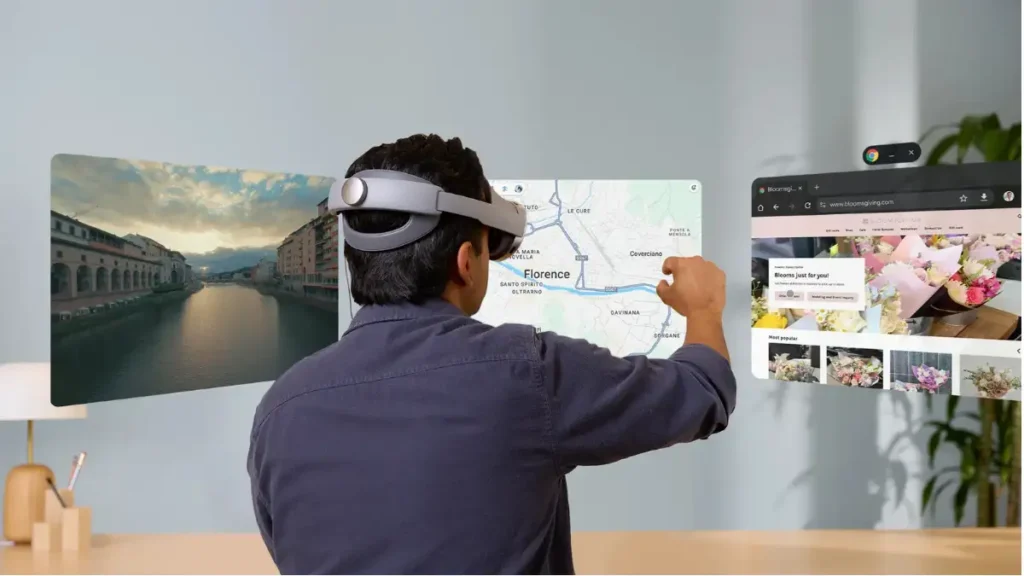
The wait is finally over — Samsung’s Galaxy XR headset is here, and it’s about to change how we think about mixed reality forever.
After years of teasers, leaks, and rumors, Samsung has finally dropped its next-generation spatial computing device, built in collaboration with Google and Qualcomm — and the specs are wild.
This is more than just a headset. It’s Samsung’s answer to Apple’s Vision Pro, and possibly the biggest leap in Android hardware in a decade.
🧠 The First True Android XR Headset
The Samsung Galaxy XR runs on Android XR, Google’s new platform for spatial apps and AI-driven environments.
That means millions of Android apps — from Gmail to YouTube to Netflix — are already supported right out of the box.
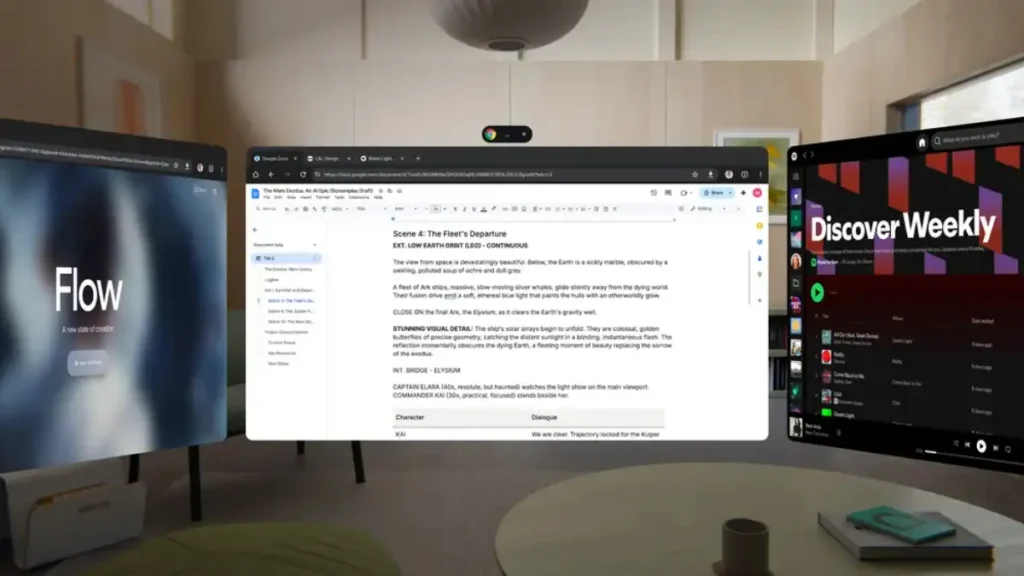
You can check emails in a 3D workspace, stream 4K Netflix shows in a floating virtual theater, or navigate Google Maps in a full spatial view — no phone or PC required.
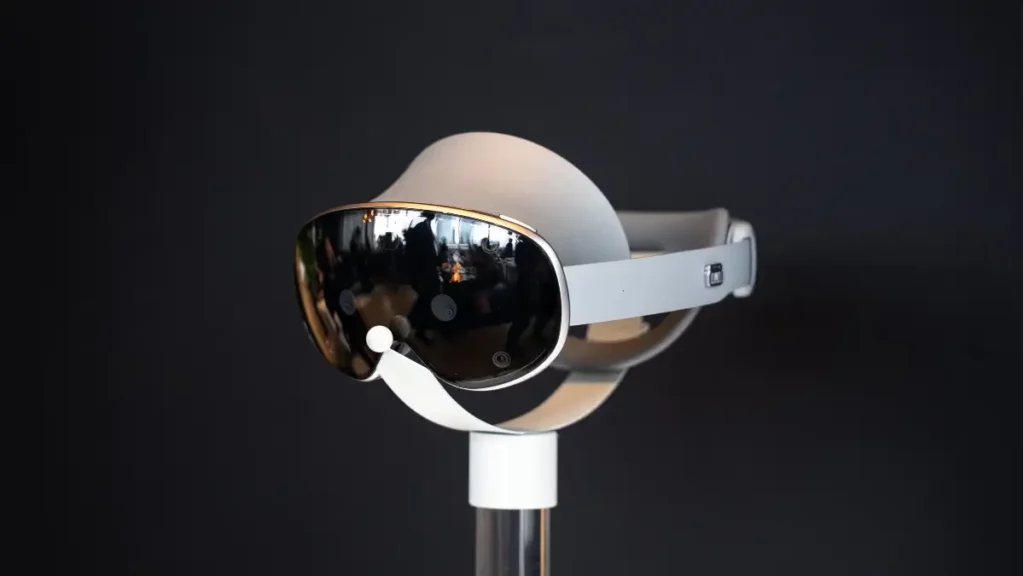
⚙️ Specs That Push the Boundaries
Here’s what makes the Galaxy XR an absolute monster in the XR space:
- Chipset: Snapdragon XR2+ Gen 2, fine-tuned for AI and mixed reality
- Display: Dual 4K micro-OLED panels — vivid, deep blacks, and insane clarity
- Refresh Rate: 60 / 72 / 90 Hz adaptive
- RAM & Storage: 16 GB + 256 GB built-in
- Battery: 2–2.5 hours per charge via a magnetic USB-C power bank system
- Audio: Dual speakers + 6-mic array
- Connectivity: Wi-Fi 7, Bluetooth 5.4
And yes — it’s got an IPD auto adjustment, eye tracking, and even Iris unlock. You literally unlock it with your eyes 👀
🔍 Sensors Everywhere
Samsung went all-in on precision tracking.
The Galaxy XR packs:
- 2 passthrough cameras
- 6 positional tracking cameras
- 4 for eye tracking
- Depth, flicker, and proximity sensors
- 5 IMUs for motion
All that sensor fusion gives you smooth hand tracking, mixed-reality passthrough, and the ability to switch seamlessly between VR and MR modes.
💡 Powered by Google Gemini AI
Here’s where it gets wild.
The Galaxy XR is the first headset to feature Google’s Gemini AI built-in — and it’s not just for voice.
Gemini reads your gaze, gestures, and surroundings to understand what you’re doing.
This is true multimodal AI — a headset that literally “sees” what you’re working on.
Imagine looking at a photo and saying, “Take me there.” Gemini instantly opens Google Maps, zooms to the exact spot, and launches Street View — no clicks, no menus.
That’s not science fiction anymore — that’s Galaxy XR.
🎮 Gaming and App Ecosystem
Because it runs Android XR and supports OpenXR, developers can build once and deploy everywhere.
That means a full library of Android games, productivity tools, and VR titles from day one.
It supports Virtual Desktop, PC VR streaming, and even native flat Android games.
Samsung also confirmed a new digital avatar system called Likeness by Google, giving you a virtual version of yourself — complete with facial and hand tracking for apps like Google Meet.
🧑🚀 Design, Comfort & Accessories
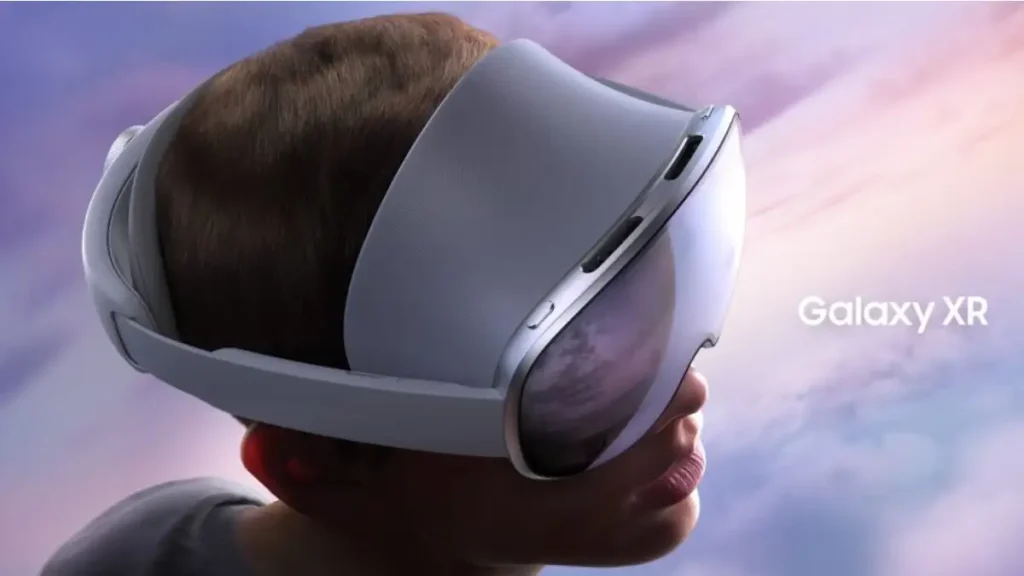
At 545 grams, it’s not the lightest headset ever, but the weight is evenly balanced.
The forehead strap design and soft padding make long sessions surprisingly comfortable.
The headset ships with optional light blockers, a travel case, and the new Galaxy XR 6DoF controllers ($250).
Each unit also includes an Explorer Pack worth $1,000 — featuring Google AI Pro, YouTube Premium, Play Pass, and more.
🎥 Spatial Memories & AI Experiences
One of the most jaw-dropping demos was AI-enhanced spatial photos — where 2D images are turned into 3D “living” memories with motion and depth.
Samsung also previewed AI characters that respond in real time, even switching languages mid-conversation.
Imagine talking to a digital athlete who can speak English, Dutch, and Korean back-to-back — seamlessly.
💬 Price and Availability
📅 Release Date: October 21, 2025
💲 Price: $1,799 (or $75–$149 / month)
📍 Availability: U.S. & Korea initially, via samsung.com and Samsung Experience Stores
🧠 Final Thoughts: The Real Android Vision Pro?
The Galaxy XR feels like the start of something big — not just another headset, but the foundation of Android’s new spatial ecosystem.
With Google’s AI brain, Qualcomm’s XR power, and Samsung’s design, this is the strongest challenge yet to Apple’s Vision Pro.
Yes, the price is high. But for the first time, Android fans finally have a true high-end spatial headset that doesn’t feel like a tech demo.
If Samsung nails the AI integration, the Galaxy XR might not just compete — it could define the next generation of computing.

Pravin is a tech enthusiast and Salesforce developer with deep expertise in AI, mobile gadgets, coding, and automotive technology. At Thoughtsverser, he shares practical insights and research-driven content on the latest tech and innovations shaping our world.