Many people experience moments of fear about their health — a strange sensation, an unexplained ache, or a sudden worry that something is seriously wrong. But when these thoughts become constant and overwhelming, it can turn into health anxiety (often called hypochondria).
This guide explains how health anxiety works, why reassurance never feels enough, and how to manage it using proven cognitive-behavioral techniques (CBT) that help retrain your thoughts and responses.
Understanding Health Anxiety
Health anxiety happens when normal body sensations are misinterpreted as signs of serious illness — even after medical reassurance.
For example, someone might believe that:
- A brief chest flutter means heart disease
- Dizziness signals a brain tumor
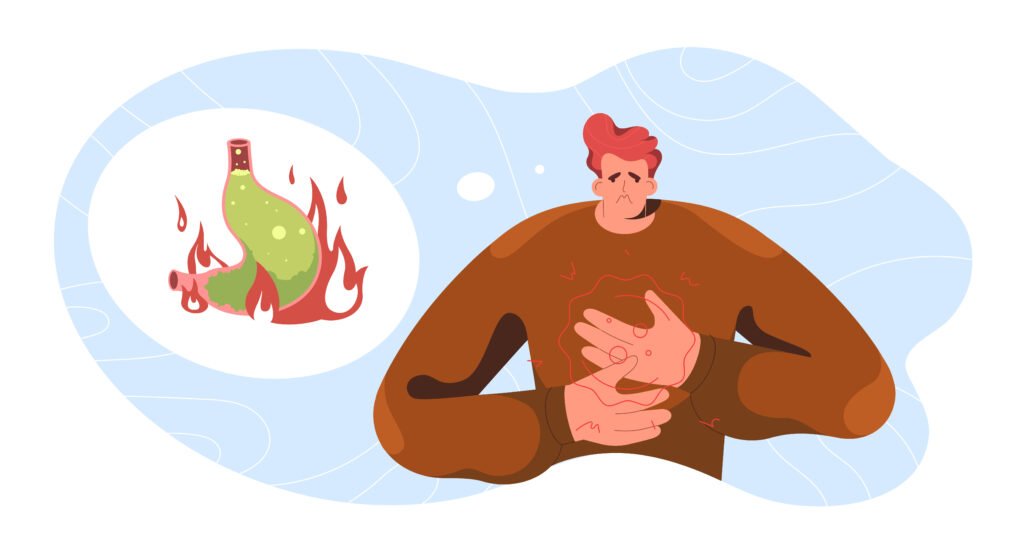
- Stomach pain must be cancer
Even repeated normal medical tests don’t ease the fear. Instead, the cycle continues with new worries or symptoms.
The Anxiety Cycle
When anxiety appears, it triggers physical sensations — faster heartbeat, tightness, lightheadedness. A person with health anxiety may notice these sensations and assume something is seriously wrong.
This starts a loop:
- Sensation → fear of illness
- Fear → more anxiety
- Anxiety → stronger physical sensations
- New sensations → more fear
The body and mind reinforce each other until anxiety itself becomes the problem.
How Health Anxiety Forms — The Conditioning Effect
Health anxiety often develops through conditioning — the brain starts associating harmless sensations with danger.
For instance:
- You once felt heartburn during a stressful moment
- Your brain linked that sensation with “heart trouble”
- Now every time you feel chest discomfort, anxiety rises automatically
This learned connection keeps repeating until it’s unlearned — a key goal in CBT.
When Reassurance Stops Working
At first, visiting the doctor provides relief. But soon, reassurance fades and doubt returns:
“What if they missed something?”
“What if this new symptom means something else?”
This leads to more appointments, endless internet searches, and body checking. Each attempt to find certainty actually strengthens the anxiety loop.
Breaking this cycle requires learning to tolerate uncertainty and reinterpreting sensations realistically.
How to Deal With Health Anxiety Step by Step
1. Get Medical Clearance
Always start by ruling out real illness. Once a doctor confirms you’re physically healthy, commit to treating the issue as anxiety, not disease.
Avoid repeated tests unless your symptoms truly change. Constantly seeking reassurance restarts the cycle.
2. Learn the CBT Approach
CBT teaches you to identify and challenge distorted thoughts. For example:
- Automatic thought: “My dizziness means I’m about to faint.”
- Rational response: “Anxiety causes lightheadedness — this is a stress symptom, not a collapse.”
Write down your thoughts and replace fear-based interpretations with factual ones. Over time, your brain learns new, calmer associations.
3. Reduce Checking and Research
Compulsive checking — feeling your pulse, examining your skin, googling symptoms — temporarily reduces fear but fuels long-term anxiety.
Instead, set a boundary:
- No health-related searches
- No self-exams
- No asking friends or family for reassurance
When urges arise, shift focus to an activity like stretching, walking, or deep breathing.
4. Use Self-Talk for Reassurance
When a new symptom appears, remind yourself:
“This feeling doesn’t mean danger. My doctor already checked me. My body reacts to stress like this sometimes.”
This kind of rational self-talk interrupts catastrophic thinking and keeps anxiety from escalating.
5. Engage in Physical Distraction
Channel anxious energy into physical activity — walking, cleaning, gardening, or light exercise. Movement helps release stress hormones and pulls focus away from obsessive thoughts.
If physical activity isn’t possible, use relaxation techniques like progressive muscle relaxation or mindfulness breathing.
6. Accept Normal Body Sensations
Every healthy body experiences random sensations — tightness, tingling, twitches. These are normal.
Learning to observe them without reacting reduces anxiety. Instead of labeling every feeling as dangerous, acknowledge it and move on.
7. Reframe Thoughts About Health
People with health anxiety often believe “good health means feeling nothing.”
In reality, normal bodies fluctuate — energy, heart rate, temperature, digestion — these changes don’t mean sickness.
Recognizing this helps you interpret sensations more accurately.
8. Prevent Relapse with Mindful Awareness
When anxiety returns, use mindfulness:
- Notice the thought (“I’m scared this might be serious”)
- Label it (“That’s anxiety, not illness”)
- Redirect attention to the present moment
Over time, this reduces the power of intrusive worries.
Professional and Self-Help Options
If anxiety severely affects your life, a therapist trained in CBT can guide you through exposure and thought restructuring techniques.
If professional therapy isn’t accessible, self-help CBT books and online programs can still help you practice these principles.
Final Thoughts — Overcoming Hypochondria Naturally
You can’t control every body sensation, but you can change how you interpret and react to them.
Learning how to deal with health anxiety is about retraining your thoughts and breaking habits of checking, researching, and catastrophizing.
Recovery takes effort, but every step toward calm thinking rewires your brain’s fear response — helping you trust your body again.
For more reliable mental health guidance, visit National Institute of Mental Health’s Anxiety Resources.

Pravin is a tech enthusiast and Salesforce developer with deep expertise in AI, mobile gadgets, coding, and automotive technology. At Thoughtsverser, he shares practical insights and research-driven content on the latest tech and innovations shaping our world.