Building Wealth Through Real Estate Investing
Real estate investing remains one of the most effective ways to build generational wealth. It offers consistent cash flow, long-term appreciation, and powerful tax advantages.
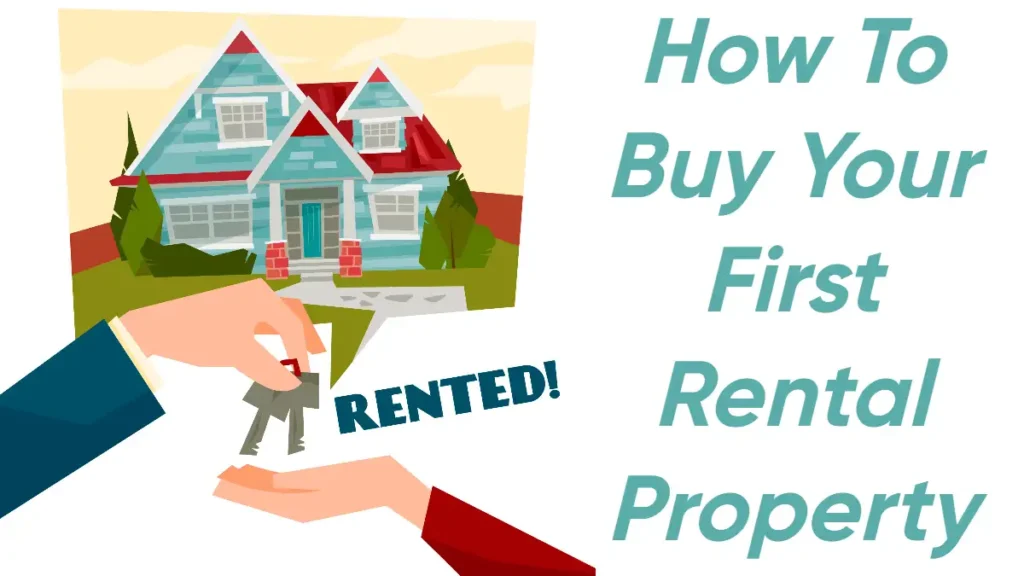
However, getting started can feel intimidating — especially if you’ve never purchased property before. Whether you’re planning to buy a single-family home or a multi-unit investment, this guide will walk you through every step of how to buy your first rental property in 2025 with clarity and confidence.
Step 1: Prepare Your Down Payment Funds
Most lenders require a down payment of 15–20% for investment properties. For example, if you’re purchasing a $400,000 property, expect to invest $60,000–$80,000 upfront.
If that seems out of reach, consider starting with an FHA loan, which allows a 3.5% down payment — but comes with one key condition: you must live in the property for at least one year.
Many first-time investors use this strategy by buying a multi-family property, living in one unit, and renting out the others. This “house hacking” approach helps build equity and cash flow with a smaller starting budget.
Pro Tip: Be aware that FHA loans include mortgage insurance, which increases your monthly payment slightly.
Step 2: Build Your Credit
Before you start the mortgage process, review your credit score. A strong score — ideally above 700 — can help you secure better interest rates and terms.
Lenders evaluate credit history, debt-to-income ratio, and payment reliability. Use less than 30% of your available credit, make consistent payments, and fix any errors on your credit report.
Better credit equals lower monthly payments and higher long-term profitability.
Step 3: Speak with Lenders (Before Applying)
Don’t rush to fill out mortgage applications. Instead, speak with lenders first to get an idea of what you can qualify for based on your income and credit.
You can ask questions like:
- What loan options fit my situation?
- What down payment range should I plan for?
- How do investment property rates differ from primary home loans?
Avoid giving permission for a credit pull at this stage — inquiries can slightly lower your score. Your goal is to gather estimates and options, not to lock in yet.
Step 4: Choose the Type of Rental Property
When buying your first rental property, your budget and goals determine what type you should pursue.
Options include:
- Single-family homes: Simple to manage, steady demand
- Duplexes or triplexes: More units, higher potential returns
- Fourplexes or small apartments: Larger cash flow, higher management complexity
If you’re a beginner, avoid condos — HOA fees and strict rules can limit profit and flexibility. Work with a local realtor who understands which property types appreciate best in your area.
Step 5: Research Properties Thoroughly
Now comes the research stage — arguably the most critical part of buying your first rental property.
Your goal is to identify cash-flow-positive properties, meaning your monthly rent exceeds total expenses (mortgage, taxes, insurance, maintenance).
Use platforms like Zillow, Redfin, or Trulia to estimate rent potential. Then, use a mortgage calculator to project expenses and cash flow.
When analyzing a property, check:
- Cash-on-cash return
- Net operating income (NOI)
- Neighborhood quality (schools, jobs, safety)
Avoid properties needing major renovations early on. Cosmetic repairs are fine — full roof replacements or HVAC installations can derail your budget quickly.
Step 6: Get Pre-Approved by Your Lender
Once you’ve found potential properties, it’s time to get pre-approved.
This involves a hard credit check and submission of documents like tax returns, income statements, and asset details. Lenders will evaluate:
- Debt-to-income ratio
- Employment history
- Cash reserves
- Rental income projections
Pre-approval gives you credibility with sellers and a clear understanding of your budget before making offers.
Step 7: Make an Offer
After pre-approval, identify your top property and make a competitive offer. Work with a qualified real estate agent to negotiate terms that align with your goals.
Always include an inspection contingency in your offer. This allows you to back out or renegotiate if serious issues are uncovered.
Step 8: Complete Inspections
Inspections are essential for avoiding expensive surprises. A professional inspection can reveal:
- Structural damage
- Foundation cracks
- Water or mold issues
- Roof and HVAC condition
If problems arise, request a price reduction equivalent to the repair costs — or walk away. Never skip inspections, even in competitive markets.
Step 9: Close Escrow and Finalize Your Purchase
The final step in how to buy your first rental property in 2025 is closing escrow.
You’ll sign legal documents, pay closing costs, and finalize ownership. These costs often include:
- Lender fees
- Attorney and escrow fees
- Title insurance
- Property taxes and transfer costs
Once completed, the property is officially yours. You can now begin any light renovations, find tenants, and start generating rental income.
From here, the wealth-building potential begins — both from monthly cash flow and long-term appreciation.
Additional Tip: Repair Credit Before You Start
If your credit isn’t ideal, there are still options — such as hard money lenders or private equity financing — though these come with higher rates.
Improving your credit before applying is the best long-term move. It gives you access to better financing, higher leverage, and stronger cash flow from day one.
Trusted Resource:
Learn more about investment property loans and financing on Investopedia

Pravin is a tech enthusiast and Salesforce developer with deep expertise in AI, mobile gadgets, coding, and automotive technology. At Thoughtsverser, he shares practical insights and research-driven content on the latest tech and innovations shaping our world.