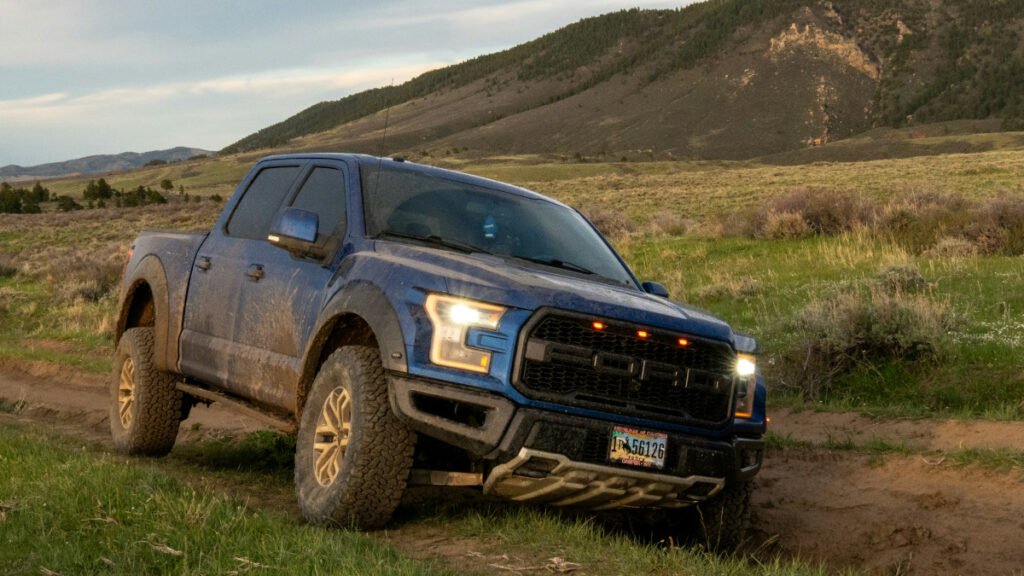
After 3 years and 45,000 miles of towing, camping, road trips, and daily use, our Ford F-150 Hybrid has seen it all. When we bought this $66,000 PowerBoost XLT, it was the first-ever hybrid full-size pickup — and we wanted to know if Ford’s electrified gamble actually worked.
Spoiler: it did… mostly. But not without a few surprises.
Comfort and Ride Quality
Everyone on our team agreed — the F-150 Hybrid’s comfort is unmatched in its class.
“It’s like a big American luxury sedan from the ’90s, but with real body control.”
The cloth seats are soft, the lumbar support is excellent, and the cabin remains whisper-quiet even on long road trips. Despite having the FX4 off-road package with stiffer suspension and all-terrain tires, the ride is smooth, cushioned, and composed.
One colleague summed it up perfectly after a cross-state drive:
“It’s mindlessly easy to log miles. You could literally nap in here.”
Power and Performance
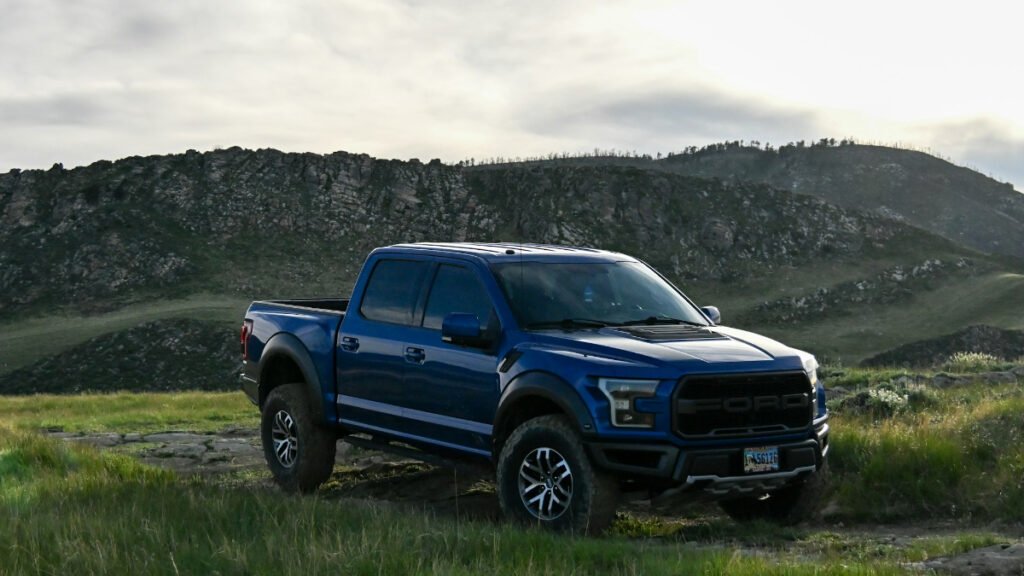
Under the hood sits a 3.5-liter twin-turbo V6 paired with an electric motor, making a combined 570 lb-ft of torque — more than any F-150 short of a Raptor R.
That torque means instant acceleration and effortless towing. Hills? No problem. The engine stays quiet while the hybrid system provides torque at low revs. It’s fast, strong, and smooth — the kind of powertrain that makes heavy loads feel light.
We even drag raced it against a Raptor, and while the Raptor edged it out, the hybrid came surprisingly close.
Towing and Utility
From towing cars and furniture to hauling kayaks and plywood, this truck never flinched.
“We towed an entire apartment’s worth of furniture from San Francisco to LA and averaged 13 MPG — with a giant box trailer!”
Towing mode smartly manages the powerband for stability and efficiency. The F-150 Hybrid’s large mirrors, easy tie-down points, and bed camera make towing and loading painless.
And when it’s not hauling heavy loads, it’s a mobile office and campsite on wheels — roomy, quiet, and loaded with storage.
Tech and Interior
The infotainment layout is intuitive, with physical shortcut buttons that stay visible on every screen. The bed-view camera is particularly handy for checking your load mid-drive.
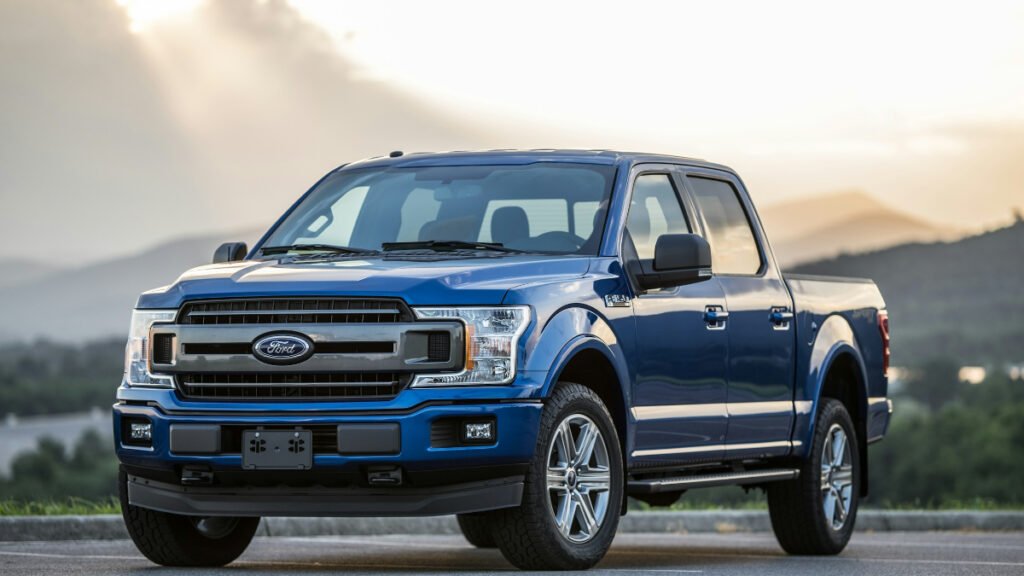
The cabin design stands out too. For a mid-trim XLT, the interior materials are excellent — textured panels, soft surfaces, and great ergonomics.
However, not everything aged well. The screen’s resolution looks dated, and one big issue nearly ruined our long-term test.
The One Big Problem: Infotainment Failure
Eight months in, the main touchscreen started glitching — freezing, rebooting, and sometimes refusing to turn on at all.
We replaced the APIM module (Accessory Protocol Interface Module), which temporarily fixed it. But weeks later, it failed again — killing the reversing camera and infotainment entirely.
Thankfully, Ford replaced the part under warranty, and the system has been stable since. But on a $66,000 truck, this kind of failure shouldn’t happen.
Fuel Economy: The Real-World Numbers
Ford advertises 24 MPG combined, but we never got close.
Even with light-foot driving, our long-term average was 19.9 MPG. That’s good for a 5,500-pound pickup but disappointing for a hybrid.
Still, the 30-gallon fuel tank helps. We routinely got 500+ miles per tank, even hitting LA to the Grand Canyon on one fill-up.
If you buy this truck, buy it for the power — not the hybrid fuel savings.
Maintenance, Repairs, and Depreciation
Maintenance was simple: oil changes every 10,000 miles and $1,500 for a new set of tires. Two recalls were fixed under warranty (one for wiring and one for trailer brake programming).
The bad news? Depreciation.
We paid $66,000 in 2021, and three years later, it’s worth about $32,600 — less than half.
Would We Buy the F-150 Hybrid Again?
Yes — but with a catch.
You can’t get the PowerBoost Hybrid in an XLT anymore. For 2025, it’s only offered in Lariat, King Ranch, and Platinum trims, which start near $70,000.
Even so, the PowerBoost remains the best F-150 engine short of the Raptor R — powerful, refined, and versatile.
“The hybrid wasn’t as efficient as we hoped, but it’s still the best engine in the lineup.”
Final Verdict: The Ford F-150 Hybrid After 45,000 Miles
After three years, the Ford F-150 Hybrid has proven itself as a dependable, comfortable, and impressively capable workhorse.
Yes, it had a major tech hiccup and fell short on MPG, but it also delivered near-Raptor torque, solid reliability, and real everyday usability.
If you’re buying a high-trim F-150, you’d be crazy not to go hybrid. It’s that good — just keep an eye on that screen.
For full specs, used listings, and current pricing, visit Ford’s official site.

Pravin is a tech enthusiast and Salesforce developer with deep expertise in AI, mobile gadgets, coding, and automotive technology. At Thoughtsverser, he shares practical insights and research-driven content on the latest tech and innovations shaping our world.