Cadillac is officially living in a fantasy land.
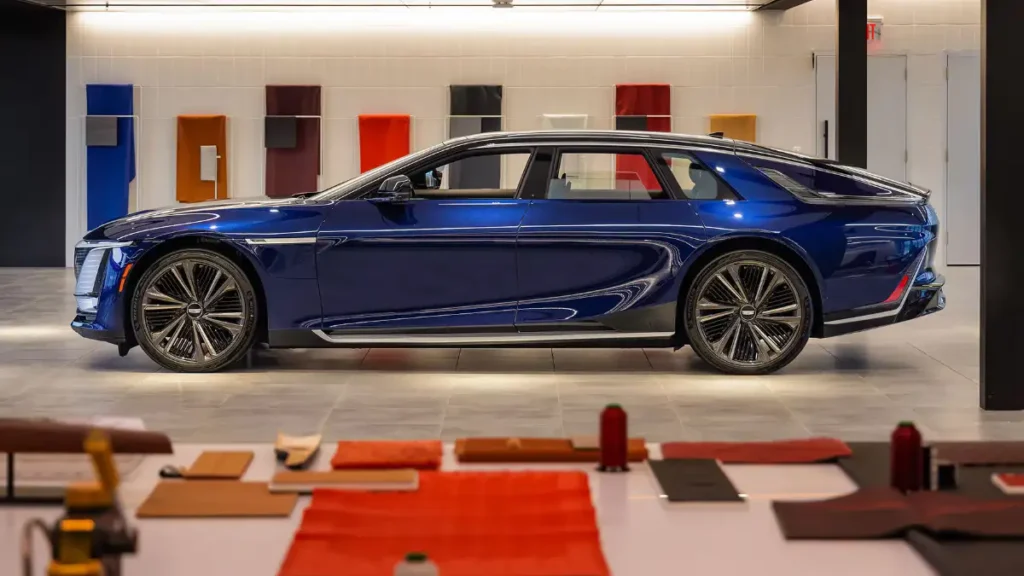
The American luxury brand has reportedly hiked the starting price of its all-electric flagship, the 2026 Celestiq, with the top-spec model now soaring past $400,000. This isn’t just an expensive car; it’s Cadillac taking a wild swing at Rolls-Royce and Bentley—a swing that is about to miss the entire luxury market.
The Celestiq was supposed to be Cadillac’s “statement” to the world: a hand-built, ultra-luxury EV that proves American engineering can compete with the best of Europe. Instead, it looks like a desperate, overpriced attempt to generate buzz, with an execution that leaves us questioning who the buyer even is.
Let’s break down the ridiculous price hike, the questionable strategy, and why the Celestiq is destined to be a gorgeous failure 👇
💰 The Absurd Price Hike: Betting the Farm on Exclusivity
When the Celestiq was first announced, its price tag was already astronomical, targeting the rarefied air of bespoke luxury. Now, it has completely left the atmosphere.
🤑 The $400K Sticker Shock
The starting price of the Celestiq was already high, but the latest reports confirm that with options and top trims, the flagship now touches—or exceeds—the $400,000 mark.
- The Competition: For $400,000, you can buy a Ferrari 296GTB, a Lamborghini Temerario, or literally ten top-spec Cadillac Escalades.
- The Reality: Ultra-luxury buyers don’t just want expensive; they want heritage and brand value. Cadillac has neither in this price bracket.
This price point isn’t designed to compete; it’s designed to project an image of exclusivity that the brand simply has not earned. It’s a huge, dangerous bet on the word “Cadillac.”
⚡ Design: Gorgeous, But Where’s the Innovation?
To be clear, the Celestiq is visually stunning. It is long, sleek, and undeniably a handsome car that demands attention. But underneath the gorgeous skin, the technical specifications fail to justify the cost.
🔋 Ultium Platform is Not Unique
The Celestiq is built on GM’s Ultium electric platform, the same underlying architecture used in the Chevy Equinox EV and Cadillac Optiq.
- Shared DNA: While the execution is bespoke, the core EV platform is shared with far cheaper models.
- Charging Speed: The Celestiq’s 400-volt architecture is already considered outdated compared to the 800-volt systems found in rivals like the Porsche Taycan and the new Range Rover Electric.
Cadillac is asking buyers to pay hypercar money for what is fundamentally a stretched, hand-finished Ultium platform. The lack of unique, proprietary hardware for the flagship model is a major miscalculation.
💎 Hand-Built is Not Enough
The selling point is “hand-built craftsmanship.” But Rolls-Royce has been doing that for a century. Bentley has decades of history.
Cadillac is trying to manufacture instant heritage through a huge price tag, hoping exclusivity alone can sell a car without the decades of racing pedigree or royal endorsements that its competitors enjoy.
🧭 Final Thoughts — A Statement Doomed to Fail
The Celestiq is a beautiful piece of design and a stunning showcase of GM’s ability to use its Ultium platform. But its four hundred thousand dollar price tag is not a statement of confidence; it’s a desperate hail mary pass.
The Celestiq will likely find a few hundred highly curated buyers, but it will not achieve what it set out to do: establish Cadillac as a global ultra-luxury leader.
In the end, this car will be a footnote in automotive history—a gorgeous curiosity that proves American luxury still has a lot to learn about earning its spot at the top table.

Pravin is a tech enthusiast and Salesforce developer with deep expertise in AI, mobile gadgets, coding, and automotive technology. At Thoughtsverser, he shares practical insights and research-driven content on the latest tech and innovations shaping our world.