Why tiny changes beat big plans
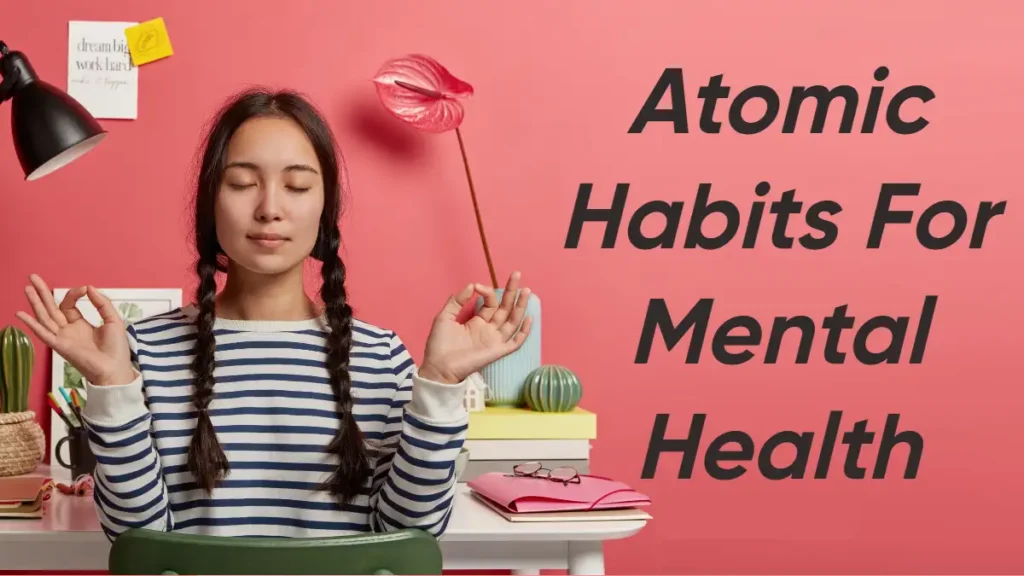
Atomic habits for mental health are about doing very small actions that reward you immediately and stack over time. Big, dramatic plans—marathon training, 5 a.m. CrossFit, radical diets—often fail because willpower runs out and the change becomes exhausting. Tiny, incremental shifts make life easier, not harder, so you actually keep doing them. That’s the whole point: build momentum with low-friction wins, then add another one.
The three principles to start with
- Pick low-hanging fruit. Start with the smallest, most enjoyable change you can imagine. If you love people, schedule a short call with a friend. If exercise drains you, try light therapy or add one vegetable to a meal.
- Create systems, not chores. Make the habit automatic: pillbox on the breakfast table, light box on your morning counter, a plant by your desk to bring nature inside. Systems reduce decision fatigue.
- Track for 30 days. Habit trackers (a calendar with big red checkmarks, an app, or a simple journal) turn momentum visible and keep you honest. Start with one habit for a month, then add the next.
30 tiny habits to choose from (pick one to start)
Below are grouped ideas you can pick from. None of them take more than a few minutes, and many can be done while you do something else.
Light, food & supplements
- 10 minutes of light therapy each morning (or open curtains / sit outside).
- Take a daily multivitamin / multimineral.
- Add one vegetable to one meal per day (pre-cut veg on your desk).
- Try one fermented food or a probiotic supplement for gut-brain support.
Movement & sleep hygiene
- A 10-minute walk once per day (boosts mood and sleep).
- Wake at the same time every day for one week.
- Reduce caffeine after midday (small step toward better sleep).
- Use your bed only for sleep—no screens in bed.
Mindset & therapy-friendly moves
- One-minute breathing exercise (box breath or simple slow inhales/exhales).
- Replace “always/never” self-talk with “not yet” (growth mindset rule).
- Do a 1-minute gratitude note: text one thing you appreciate.
- Try a 1-minute guided meditation (there are many 60-second options online).
Digital & social hygiene
- Unfollow 3 negative social accounts; follow 3 uplifting ones.
- Set phone to Do Not Disturb at night automatically.
- Replace 10 minutes of news with 10 minutes of helping someone or learning.
Daily systems & practical rules
- Use a pillbox and place it where you eat breakfast.
- Keep a physical book by your bed instead of your phone.
- Brain-dump for two minutes before bed (write everything on your mind).
- Do one small household task each evening (prevents overwhelm).
Connection & meaning
- Send one thoughtful text or call one person weekly.
- Express one appreciation a day (to partner, colleague, or stranger).
- Plan one short social meet-up per month (coffee, lunch).
Tiny self-regulation tools
- Practice deep-breathing once during your commute.
- Try a simple grounding technique (5 things you can see/hear/feel).
- Use the “yawn” or tapping for self-regulation when stressed.
How to pick your first habit (two-minute test)
- Choose one habit that feels almost trivial.
- Do it every day for 30 days.
- Track it visibly (calendar, app, or a checkmark).
If it’s still hard after two weeks, swap it for a different tiny habit—this process itself is data.
When tiny changes aren’t enough
If symptoms are severe—persistent depression, suicidal thoughts, or severe anxiety—tiny habits help but are not a replacement for professional care. Use these habits as complements to therapy, medication, or other clinician-directed treatments when appropriate. For authoritative guidance on mental health and treatments, see the American Psychological Association. https://www.apa.org/topics/mental-health
Quick systems checklist (set-and-forget)
- Put the habit cue in plain sight (pillbox, light box, book).
- Link the new habit to an existing routine (after brushing teeth, sit by the light box).
- Track daily for 30 days and celebrate streaks—momentum matters.
Final thought: build resilience, not guilt
Atomic habits for mental health are not about perfection. They’re about buying small bits of energy and attention every day so that over months you reclaim significant parts of your life. One tiny step, repeated, compounds. Pick one habit, make a system, track for 30 days—and give yourself permission to start small.

Pravin is a tech enthusiast and Salesforce developer with deep expertise in AI, mobile gadgets, coding, and automotive technology. At Thoughtsverser, he shares practical insights and research-driven content on the latest tech and innovations shaping our world.