Toyota is playing a dangerous game with nostalgia.
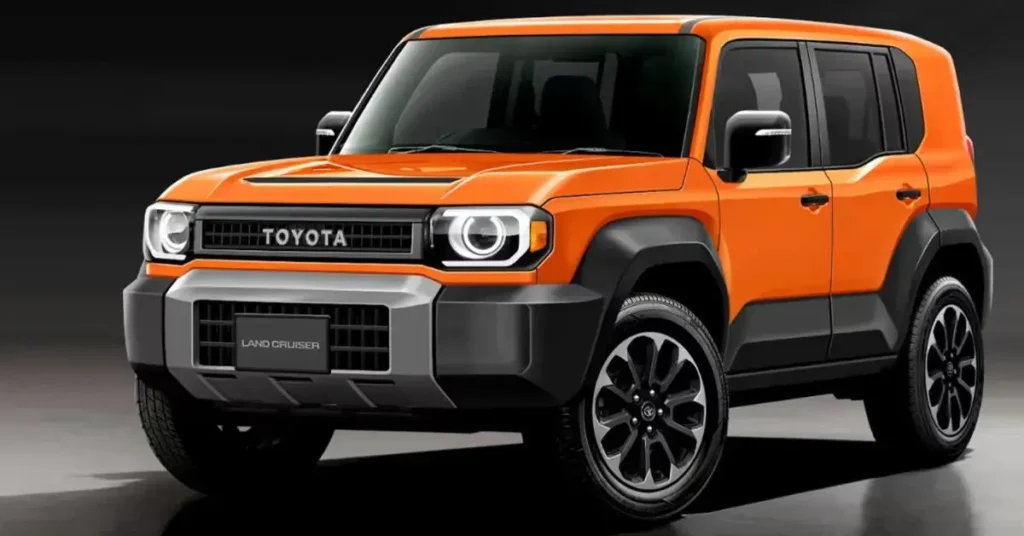
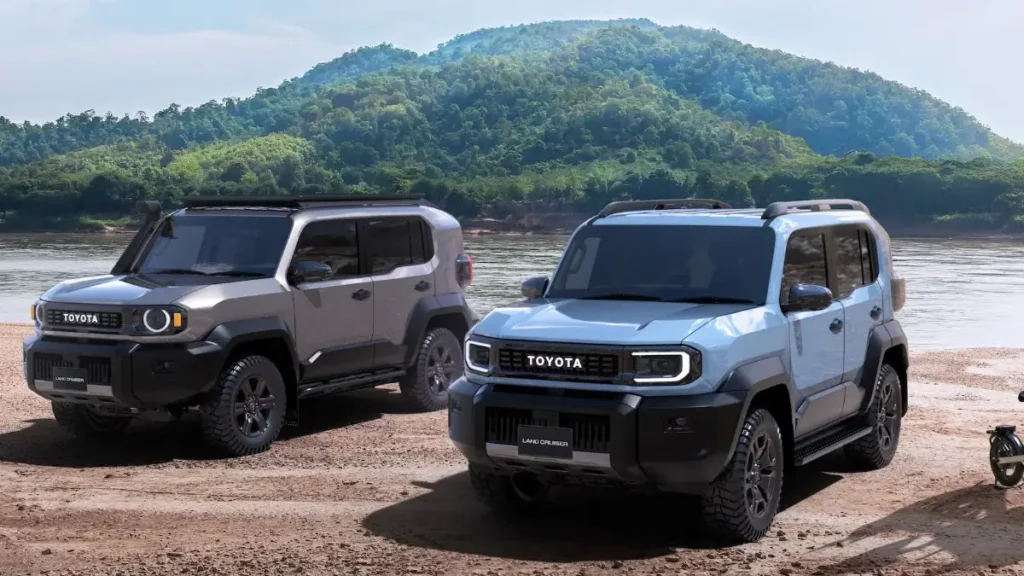
The legendary Land Cruiser FJ—the “Baby Land Cruiser”—is finally real, recently showcased at the Japan Mobility Show. It’s a boxy, rugged, retro-styled SUV that pays homage to the iconic FJ40. It’s everything off-road enthusiasts wanted, visually.
But the excitement immediately crashes into the harsh reality of its engine bay and its inexcusable launch timeline.
The FJ is rumored to launch with a naturally aspirated 2.7-liter four-cylinder engine and won’t arrive in key markets until 2028. This means Toyota is releasing a low-power, combustion-engine icon three years late into a market that has already moved on to hybrids and turbo power.
Let’s break down the beautiful design, the disappointing engine choice, and why Toyota is taking a massive, calculated risk with the Land Cruiser name 👇
🪨 The Design: Pure Retro, Built for the Trail
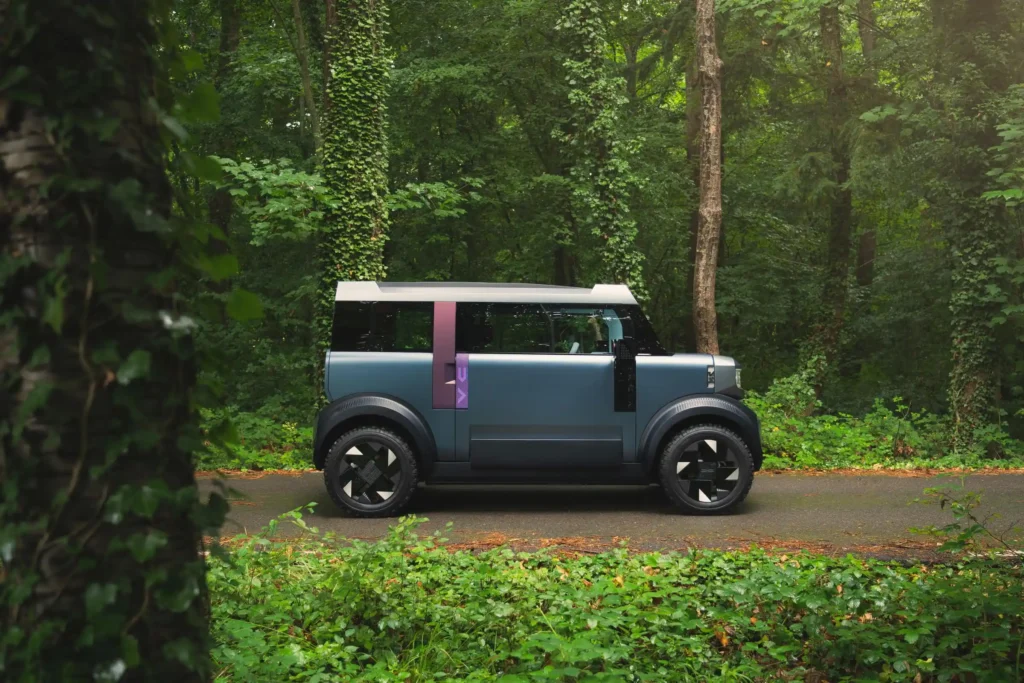
On the surface, the Land Cruiser FJ delivers exactly the nostalgic, rugged vibe it promised. It’s clearly borrowing cues from the Compact Cruiser EV concept but built on a traditional, tough platform.
📐 Boxy, Chunky, and Agile
The design successfully blends the classic aesthetic with modern structural integrity.
- Proportions: The FJ measures 4,575 mm long and features a shorter 2,580 mm wheelbase, promising a more agile driving experience than the longer Fortuner.
- Rugged DNA: It features chunky bumpers, squared wheel arches, and a tailgate-mounted spare tire.
- True Off-Road Bones: The FJ is built on the IMV-0 ladder-frame platform, the same durable architecture used by the Hilux, ensuring genuine go-anywhere ability.
It looks like a guaranteed success, which makes the next section so frustrating.
🐢 The Engine: An Unreliable Relic in a Modern World
The major point of controversy lies squarely under the hood. While many enthusiasts praise Toyota’s commitment to reliability, the engine selection feels like a betrayal of performance.
🐌 The Lack of Punch
The initial launch is rumored to feature only the 2.7-liter, naturally aspirated four-cylinder petrol engine.
- Power Output: This engine only produces around 163 hp and 246 Nm of torque.
- The Problem: In an era where rival SUVs and off-roaders are moving to turbo-diesel, punchy mild-hybrids, or high-torque electric motors, launching a brand-new off-roader with such modest, dated figures is a major disappointment.
Toyota is leaning on its reputation for indestructibility, but that choice will frustrate buyers who demand towing capability and highway passing power. The hope is that a hybrid system will be introduced later to meet market expectations.
📅 The Fatal Flaw: Three Years Too Late
The biggest risk for the Land Cruiser FJ is timing. Toyota is expected to begin production in India in August 2028 for both domestic and export markets.
⏰ Missing the Market Wave
The global interest in retro-styled, compact off-roaders (like the Ford Bronco and Jeep Wrangler) peaked years ago. By launching in 2028, Toyota risks missing the entire market window.
- Export Focus: Toyota is prioritizing high localization and using the Indian plant to export 40,000 units annually. This focus on export potential may be diluting the core vehicle needed for the enthusiast home market.
- Diesel Oversight: The decision to not offer a diesel engine at launch—a staple for rugged SUVs—is baffling, given the demand for torque in off-roading.
The Land Cruiser FJ is a great idea that Toyota executed on a seven-year timeline. By the time it arrives, the market will be flooded with superior, likely electrified, competition.
💬 Final Thoughts — A Flop, or Just Too Slow?
The Land Cruiser FJ is a beautiful concept that is handicapped by caution. Toyota’s fear of unreliable turbos and its slow pivot to electrification have resulted in an off-roader that is technically capable but chronologically obsolete.
This is a stark reminder that in the modern auto industry, reliability is not enough. You need innovation, you need power, and you definitely need to arrive on time.

Pravin is a tech enthusiast and Salesforce developer with deep expertise in AI, mobile gadgets, coding, and automotive technology. At Thoughtsverser, he shares practical insights and research-driven content on the latest tech and innovations shaping our world.