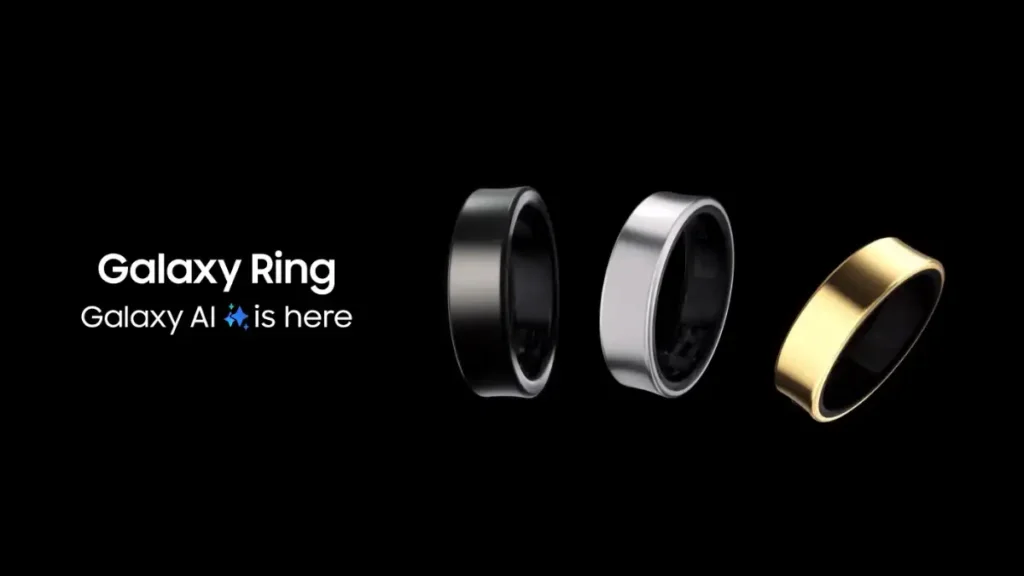
The smart ring is no longer a niche gadget; it’s the next computing platform, and Samsung is about to lock down the future of wearable health.
The upcoming Samsung Galaxy Ring is poised to be the most critical gadget launch of 2026, targeting the Achilles’ heel of every other wearable: continuous, unobtrusive health tracking. But the excitement comes with a massive warning label: Samsung is using this tiny device to force users deeper into the Galaxy AI ecosystem while simultaneously battling crippling hardware controversies.
The Galaxy Ring isn’t just competing with Oura; it’s a cold, calculated move to become the ultimate, always-on AI gateway. Let’s break down the revolutionary power, the leaked specs, and the massive risks that come with wearing this tiny, metal controller 👇
💍 The Revolution: Continuous, Always-On AI Data
The greatest challenge for smartwatches and phones is that they must be charged or put down. The Ring’s power is that it’s always monitoring, providing the continuous, high-fidelity biometric data that fuels next-gen AI.
🧠 The AI Gateway
The Galaxy Ring is not a standalone device; it’s the essential new sensor for the entire Galaxy AI ecosystem.
- AI Fuel: The ring’s constant flow of data (sleep, activity, stress, and rumored body temperature) will fuel the powerful Galaxy AI features running on the Galaxy S26 Ultra and the new Galaxy Watch.
- New Tools: Rumors point to new, AI-backed fitness tools and a specialized mindfulness tracker that monitors stress by analyzing breathing patterns.
Samsung is using the Ring to build an Intelligent Edge—a world where your computing device is so deeply integrated, it can predict your health needs before you even wake up.
⚙️ Next-Gen Specs and the Oura Rivalry
The Ring is built for endurance and power, directly challenging the established leader, the Oura Ring.
- Battery Hype: The second-generation Galaxy Ring 2 is rumored to feature a solid-state battery, which could make it the battery life champ in the smart ring category.
- Sensors: The next version is tipped to boast an onboard body temperature sensor and a rearranged sensor structure to improve holistic tracking accuracy.
- Design: Samsung is reportedly working on a thinner profile and improved sizing options—crucial steps in making the device truly unobtrusive.
⚠️ The Warning: Hardware Failures and Privacy Nightmares
The aggressive race to launch has already been marred by serious hardware concerns and looming ethical risks that cannot be ignored.
🔋 The Battery Swelling Fiasco
Recent reports indicate that Samsung is already probing a Galaxy Ring battery swelling issue, raising critical safety and durability concerns.
- Durability Test: A device meant to be worn 24/7—and possibly used for NFC payments—cannot have battery issues that threaten its integrity or safety.
- Cost Factor: Replacement charging cases for the Ring are already rumored to be expensive, adding to the total ownership cost of the $399 device.
This kind of failure in early models is a huge red flag for a product positioned as a trusted medical wellness device.
🚨 The Ultimate Privacy Risk
The Ring is the ultimate privacy paradox. It is designed to collect the most intimate, sensitive data—biometric, psychological, and temporal—with zero effort from the user.
- Data Sensitivity: The devices collect highly sensitive biometric information. In the wrong hands, this continuous data stream could be used for everything from insurance risk assessment to deeply personalized manipulation campaigns.
- The AI Drain: The more features they add (like gesture control wristbands), the more complex the data, and the harder it is to secure. The question remains: Will smart rings help us manage privacy better, or will they simply accelerate a free flow of always-collected data?.
💬 Final Thoughts — Mandatory Wearable Tech
The Galaxy Ring is less a gadget and more a Trojan horse for the new world of ambient, continuous AI. Samsung is making a calculated bet that the value of always-on, personalized health intelligence outweighs the cost and the privacy risk.
With its aggressive price point, enhanced specs, and AI-first philosophy, the Galaxy Ring is poised to redefine the wearable market in 2026. However, the industry—and the user—must demand that the giants building these powerful, intimate devices prioritize ethical governance and safety over the speed of market dominance.
The future is here, but it feels mandatory.

Pravin is a tech enthusiast and Salesforce developer with deep expertise in AI, mobile gadgets, coding, and automotive technology. At Thoughtsverser, he shares practical insights and research-driven content on the latest tech and innovations shaping our world.