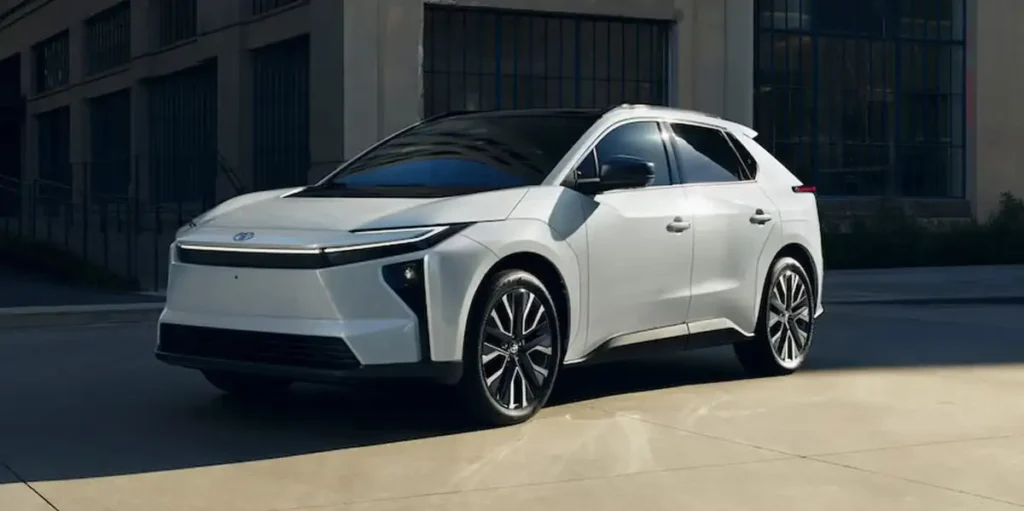
The Chevrolet Bolt is back — and even though it’s never been the flashiest EV on the market, this comeback might be its most important yet.
After a brief hiatus, Chevy has officially confirmed the 2027 Bolt, and it’s bringing back everything people loved — plus a few big upgrades that make this small EV a serious contender again.
Let’s take a closer look at what’s new, what’s familiar, and why this could be the best affordable EV in America.
🔋 A Familiar Face With Real Upgrades
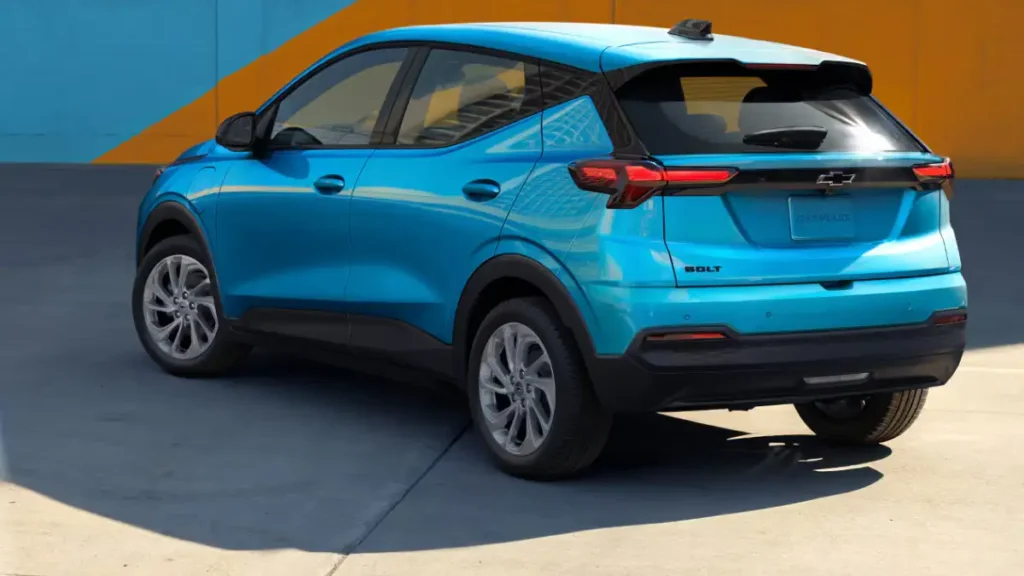
At first glance, the 2027 Bolt looks a lot like the outgoing Bolt EUV — but dig deeper, and the updates are clear.
The design carries over most of the friendly hatchback vibe, but Chevy has sharpened things up with new headlights that now feature a hockey stick-style LED pattern, giving the front end a slightly more modern look.
But the biggest upgrade isn’t about looks — it’s about charging.
This is the first Chevrolet model to feature the NACS charging connector, meaning Bolt owners will finally get access to Tesla’s Supercharger network.
Charging speeds jump to 150 kW, up from the painfully slow 50 kW on the old Bolt.
Translation:
⚡ 10% to 80% charge now takes just 26 minutes — not an hour.
🔌 Battery & Range Improvements
The 2027 Bolt uses a 65 kWh LFP battery, meaning you can charge to 100% daily without hurting long-term battery life.
Chevy estimates around 250 miles of range, which, while not groundbreaking, is perfectly fine for daily commutes and city driving.
And because it’s LFP chemistry, it’s cheaper, safer, and more durable — perfect for first-time EV buyers.
🚙 Inside: More Tech, More Comfort, Still Practical
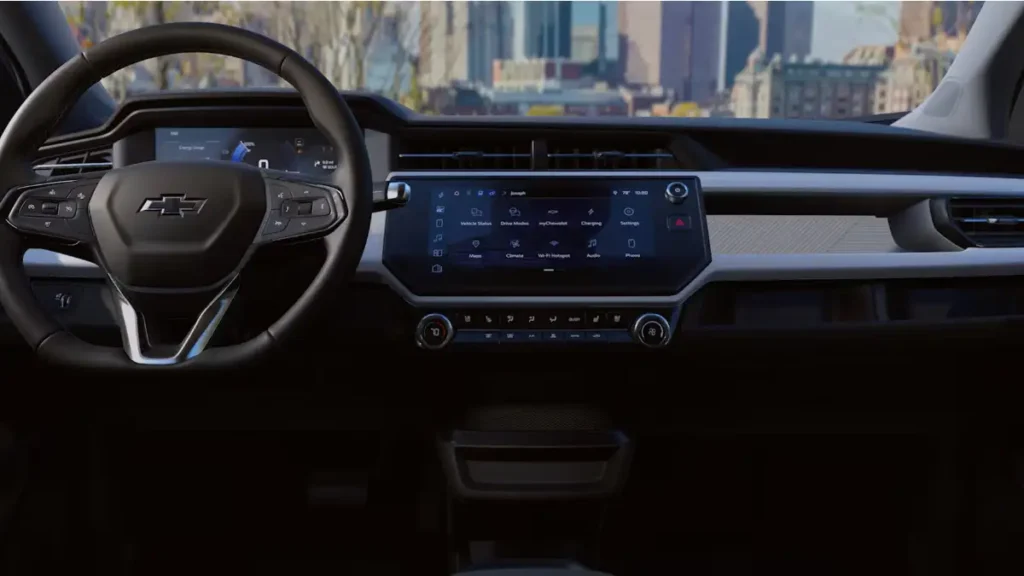
Step inside, and the Bolt’s interior feels instantly more upscale than before.
There’s a bigger infotainment screen and a larger driver display, both running Google’s built-in operating system.
The layout feels familiar but cleaner, with easy-to-use physical controls for HVAC and volume.
A few things to note:
- The beloved regen paddle on the steering wheel is gone (you now adjust regen on-screen).
- There’s a wireless charging pad, USB-C ports front and rear, and more storage space everywhere.
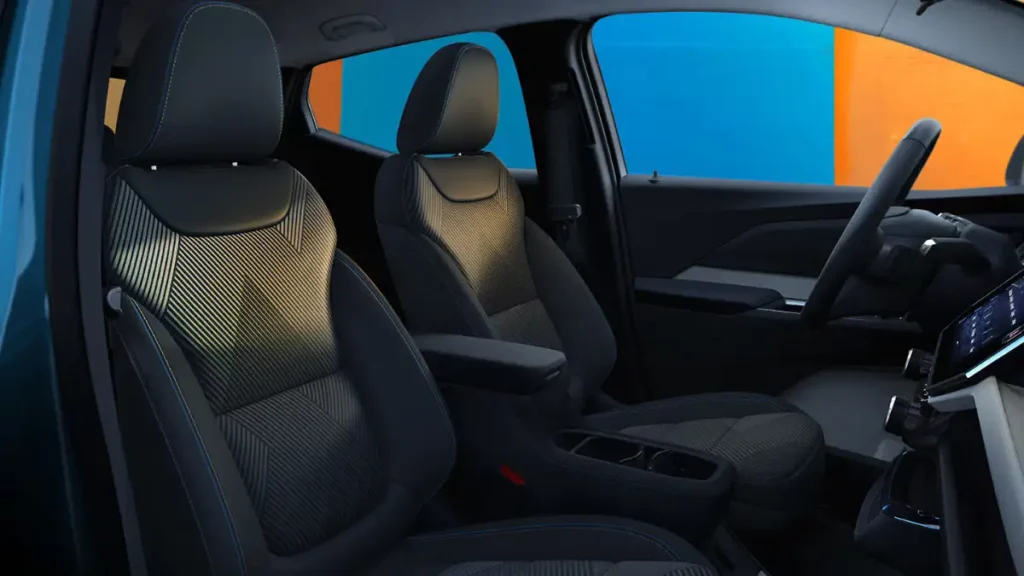
- Rear passengers get plenty of legroom and headroom, even for adults over 6 feet tall.
The RS trim will launch first and brings sharper styling, while the LT trim will follow later.
🧳 Space & Practicality
The Bolt remains one of the most spacious small EVs on the market.
The hatchback design means tons of cargo flexibility — fold the rear seats down, and you get a flat load floor with more room than some compact SUVs.
It’s a compact car that feels far bigger inside than it looks outside.
⚙️ Powertrain, Charging, and New Features
The 2027 Bolt gets the same powertrain as the Chevy Equinox EV, putting down 210 horsepower — about 10 more than before.
Final torque figures haven’t been confirmed yet, but Chevy says performance should feel noticeably snappier.
The best part?
It’s compatible with GM’s new home energy backup system, meaning you can use your Bolt’s battery to power your house during an outage (with the right adapter).
🛣️ Safety, Super Cruise & Release Info
Chevy has confirmed that Super Cruise — GM’s hands-free driving system — will be supported, though not available at launch.
Expect it to arrive as part of a future software update.
The Bolt will be a 2027 model, available in early 2026, and Chevy is hinting this may be a “limited run.”
That could make this one of the last chances to get a truly affordable, made-in-America EV before everything goes luxury.
💬 Final Thoughts: The People’s EV Returns
The 2027 Chevrolet Bolt doesn’t reinvent the EV game — it just perfects the formula that made it a cult favorite.
Faster charging, better range management, more tech, and practical design make it the smartest budget EV you can buy.
If Chevy keeps the price near its old sweet spot (around $30,000), this could easily become America’s best-selling electric car again.
It’s not flashy. It’s not overhyped.
It’s just smart — and that’s exactly what the EV market needs right now.

Pravin is a tech enthusiast and Salesforce developer with deep expertise in AI, mobile gadgets, coding, and automotive technology. At Thoughtsverser, he shares practical insights and research-driven content on the latest tech and innovations shaping our world.