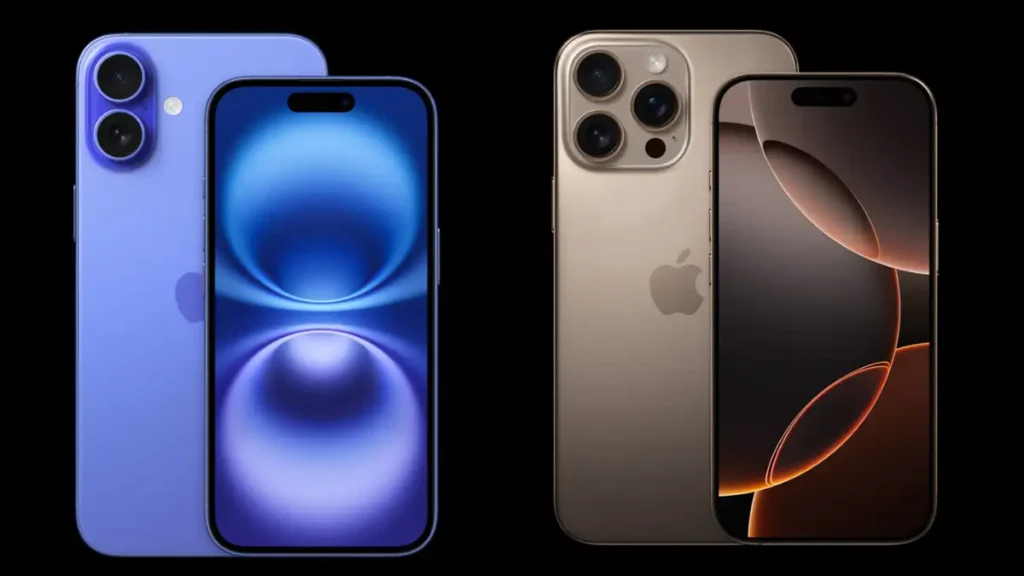
Apple’s “Glowtime” Without the Glow
Let’s start with the irony. Apple’s marketing for the iPhone 16 Pro series revolved around its new Apple Intelligence AI—a suite of features meant to make iPhones smarter than ever. Billboards, press events, even the “Glowtime” tagline all referenced the new glowing Siri and the company’s big leap into AI.
Except … none of it is actually here.
Yep. The 2024 iPhone 16 lineup launched without the flagship AI features that supposedly define it. The hardware is real, the marketing is loud, but the software—Apple Intelligence—is “coming later this year.”
So what we have right now is the most “unfinished” iPhone release ever: a lineup built around AI that doesn’t ship with AI.
Design & Build: Familiar Yet Refined
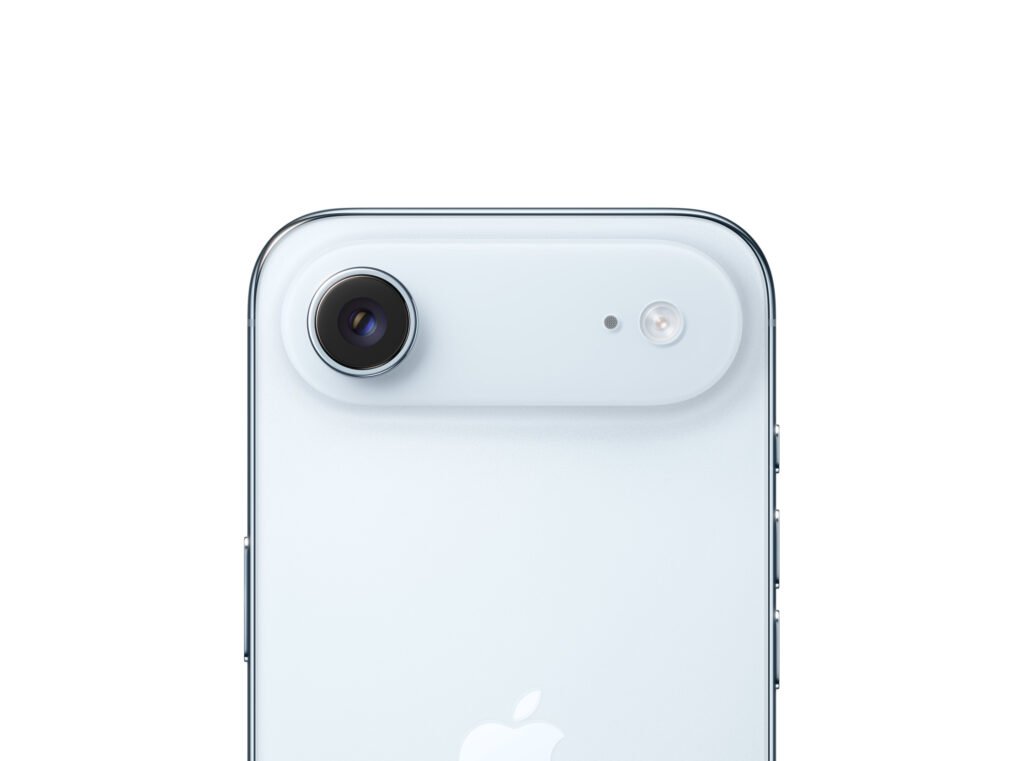
At first glance, the iPhone 16 looks almost identical to the 15 —flat sides, glass sandwich, and that familiar camera bump. But a closer look shows Apple has subtly iterated on its formula.
There are new poppy colors, slightly larger protruding cameras, and the introduction of two extra buttons: the Action Button (from last year’s Pro) and a brand-new Camera Control button.
The Pro models, meanwhile, keep the titanium frame but stretch their displays ever so slightly—to 6.3 inches for the Pro and 6.9 for the Pro Max—with thinner, symmetrical bezels.
It’s familiar Apple: sleek, refined, safe.
Displays & Performance: Bigger, Brighter, Faster — Just a Little
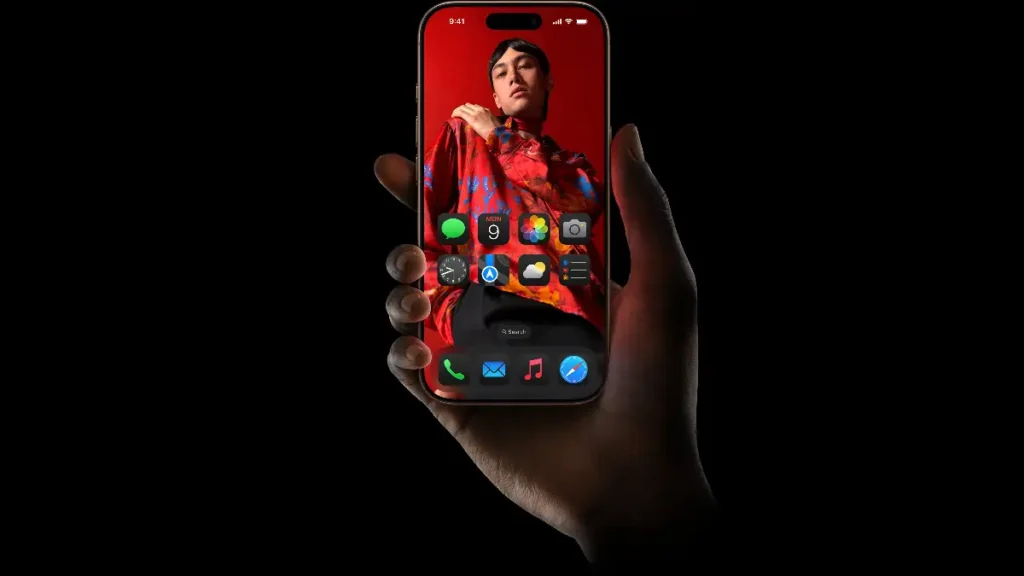
The 16 Pro displays are gorgeous. Apple is still the benchmark for brightness, color accuracy, and touch responsiveness. The ProMotion 120 Hz refresh rate remains buttery smooth and once you use it, there’s no going back.
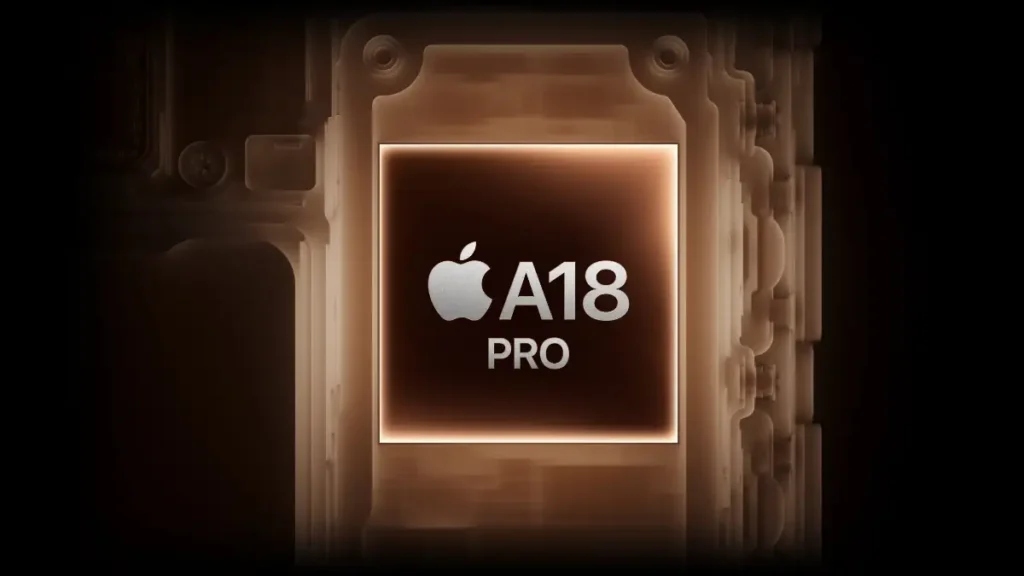
Under the hood, the new A18 and A18 Pro chips offer about 10–20% better performance depending on the task. In practice, you won’t notice much difference in daily use. Apps open quickly, games run smoothly, and everything feels snappy — exactly as you’d expect from a premium iPhone.
Every model now ships with 8 GB of RAM, finally standardizing memory across the line. That extra headroom will matter once Apple Intelligence finally arrives since those on-device AI tasks will need every megabyte they can get.
Battery & Charging: Incremental but Meaningful
Apple rarely talks about battery sizes, but the teardowns don’t lie: capacity is up about 6% on the base models and 9% on the Pros. In real-world use? Roughly the same all-day battery life as last year — which isn’t bad at all.
The more exciting upgrade is charging speed. All iPhone 16 models now support 45 W wired charging and 25 W wireless MagSafe charging (with the new puck). Apple still doesn’t ship a charger in the box (yes, we know), but if you have a fast USB-C brick, you’ll appreciate the boost.
Going from 20% to 80% now takes noticeably less time — a small change that actually affects daily convenience.
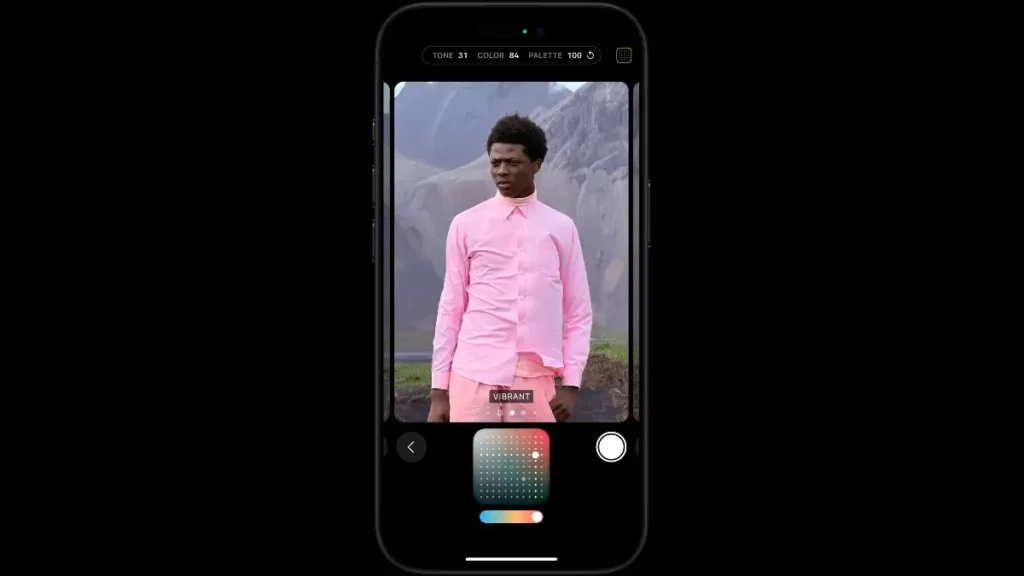
Camera Control Button: The New Toy for Tinkerers
The biggest physical addition this year is the Camera Control button, exclusive to the iPhone 16 series. Apple won’t officially call it a button, but let’s be honest — it’s a button.
It acts as both a quick launch and a precision tool. A half-press opens adjustments for exposure, zoom, and tone; a full press takes the shot. The idea is to give back manual control to people who want their photos less “iPhoney.”
Play with the tone slider and you’ll see how much shadow and contrast you can restore — something photographers have been asking for for years. Still, it’s finicky: placement is great for landscape shooting but awkward for portrait mode, and it takes time to master the half-press sensitivity.
Most users will just use it as a shutter button. And that’s fine. But for those who care about manual camera control on an iPhone, this is a huge deal.
Camera Performance: Apple Still Shoots Its Shot
The iPhone 16 Pro camera system is the best Apple has ever made — period.
The main sensor is bigger, the ultrawide is now 48 MP, and the 5× telephoto lens is a legit step up from last year. Details are crisp, low-light performance is solid, and colors are balanced without the over-processed look that used to plague iPhones.
Shutter speed is snappier, motion freeze is better, and the new 4K 120 FPS video mode is phenomenal — as long as you have the storage for it (it can eat up a gig a minute).
Apple still hasn’t fixed lens flare at night, but for every other use case, this camera is a beast. The “Fusion camera” branding is mostly marketing, but the image pipeline is cleaner and colors render more accurately than before.
Software & Apple Intelligence: The Missing Piece
The elephant in the room is AI.
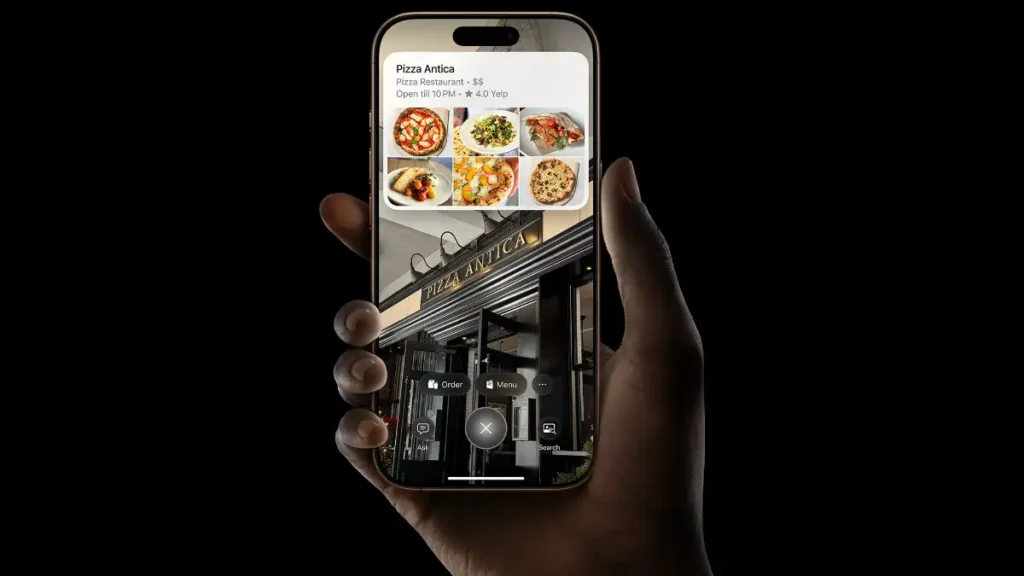
Apple unveiled “Apple Intelligence” as its answer to Google’s Gemini and Samsung’s Galaxy AI suite — with features like on-device summaries, contextual Siri, and photo editing magic. But none of that has shipped yet.
When it does arrive (via iOS 18.1 and beyond), it’ll likely be exclusive to A18-powered devices, so these phones are future-ready. But for now, it’s just that: a promise.
And the golden rule still stands: never buy tech for the features it might get later. Buy it for what it is today.
Right now, the iPhone 16 and 16 Pro are fantastic smartphones — but not revolutionary ones.
Verdict: The Most “Unfinished” iPhone Ever — and Still Great
If you’re coming from an iPhone 13 or older, the iPhone 16 is a solid upgrade. You’ll get better battery life, faster charging, and that useful Action Button.
If you’re a creator or camera nerd, the iPhone 16 Pro is the one to get. The camera improvements, display size, and charging speed actually make a difference day-to-day.
But if you’re on a 15 or even a 14 Pro? You can probably wait. There’s no game-changing AI yet, and the hardware gains are incremental.
Apple is selling trust more than technology this year. They want you to believe the AI will come, and it’ll be worth it. Maybe it will be. But until then, the iPhone 16 is a reminder that even Apple is still figuring out what the AI future looks like.
Trusted Source:
Read more on Apple Intelligence and AI features at The Verge

Pravin is a tech enthusiast and Salesforce developer with deep expertise in AI, mobile gadgets, coding, and automotive technology. At Thoughtsverser, he shares practical insights and research-driven content on the latest tech and innovations shaping our world.